Grace Nwosu — QA/QC Governance Manager
Compressing Thorough Engineering Verification into Fixed Outage Windows
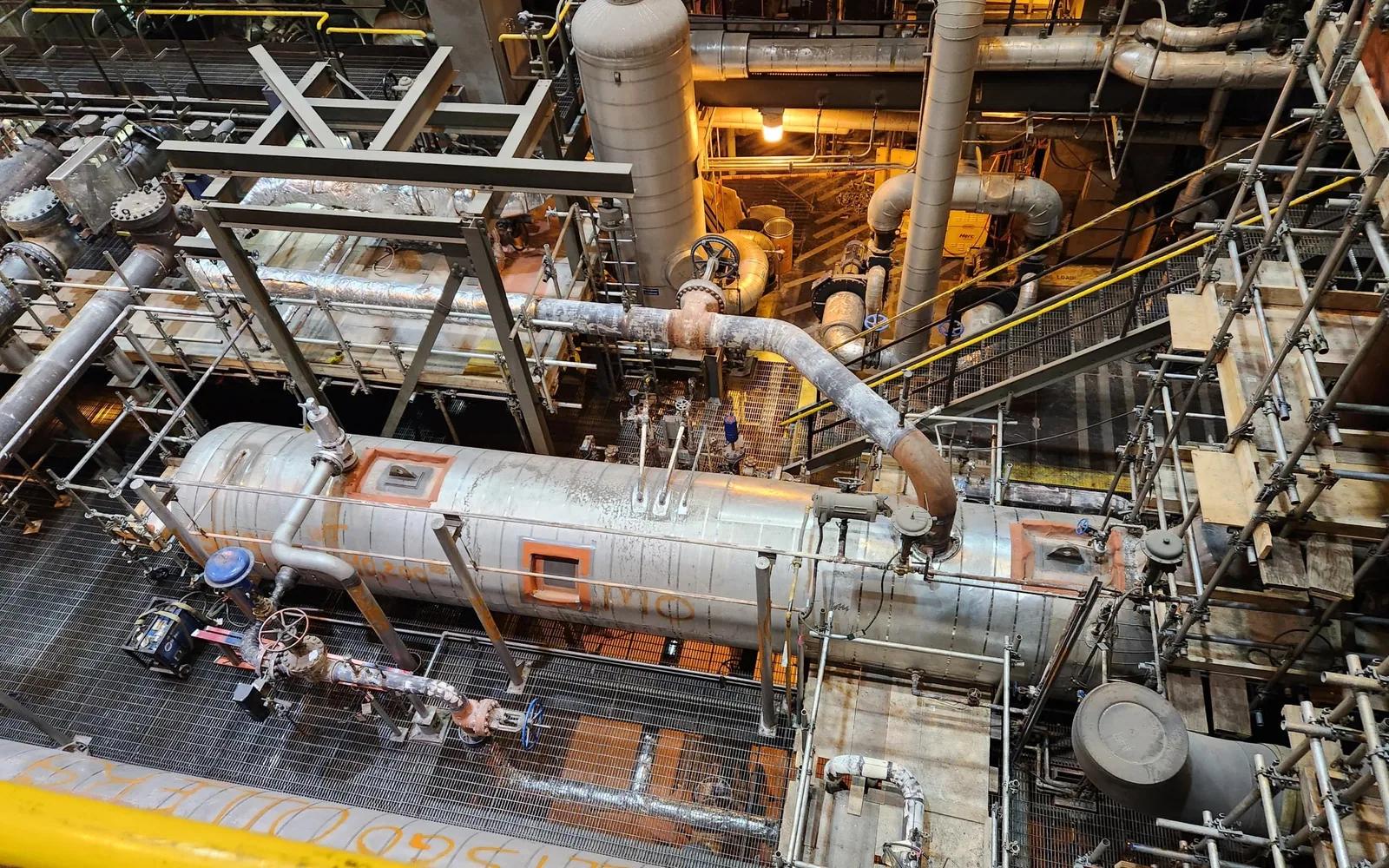
During a refinery, petrochemical, or power-plant turnaround (TAR), inspection teams cannot hold the plant schedule hostage—nor can safety or thoroughness be traded away for speed. Successful turnaround inspection execution depends on disciplined preparation well before unit isolation.
Four Pillars of Turnaround Inspection Readiness
- Early Scope Freeze & Workpack Tagging: Every vessel, exchanger, column, and piping circuit should carry an itemized workpack 8–16 weeks pre-TAR specifying required internal cleaning level, scaffold platform heights, lighting, and exact NDE methods (VT, MT, PAUT, IRIS).
- Cleaning & Confined-Space Prerequisites: Ultrasonic, penetrant, and IRIS inspection clocks only start once LOTO isolation, gas-free clearance, and hydro-blasting scale removal are completed cleanly. Inspecting dirty vessel shells wastes precious outage hours.
- Multi-Certified Flexibility: Deploying technicians qualified across multiple methods (e.g., UT + MT + PT + VT, or Rope Access + NDT) absorbs emergent scope spikes—such as discovered baffle corrosion or nozzle cracks—without waiting on external remobilization.
- Real-Time Discovery & Box-Up Tracking: Issue daily shift anomaly notifications directly to mechanical repair planners and enforce disciplined ASME PCC-1 / flange management box-up checklists ahead of unit restart.